
Are you looking to take your website to the next level? Have you outgrown shared hosting, but aren’t ready for the complexity and cost of a dedicated server? Then you need to understand Virtual Private Server (VPS) hosting. This beginner-friendly guide will demystify VPS hosting, explaining what it is, how it works, and why it might be the perfect solution for your website’s needs. Learn about the benefits of VPS hosting, including improved performance, increased security, and greater control over your server environment. Whether you’re a blogger, small business owner, or developer, understanding VPS hosting is essential for making informed decisions about your online presence.
This comprehensive guide will break down the technical jargon surrounding VPS hosting into easily digestible concepts. Discover the differences between VPS hosting and other hosting options, such as shared hosting and dedicated servers. We’ll explore the key features of VPS hosting, including root access, resource allocation, and scalability. By the end of this article, you’ll have a solid understanding of VPS hosting and be equipped to choose the best VPS hosting plan for your specific requirements. Begin your journey to a more powerful and reliable web hosting experience with this introductory guide to VPS hosting.
Understanding VPS: Virtual Private Server
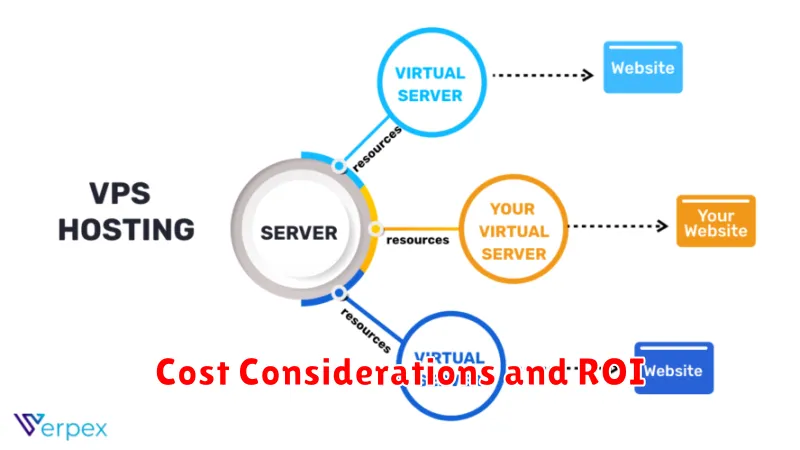
A Virtual Private Server (VPS) is a virtualized server environment created from a powerful physical server. Think of it like partitioning a hard drive. While the underlying physical hardware is shared, each VPS operates in complete isolation, as if it were a dedicated server.
This isolation is achieved through virtualization technology, which allocates dedicated resources like RAM, CPU, and storage to each VPS. This ensures that the performance of one VPS isn’t affected by the activities of others on the same physical server.
With a VPS, you have root access, granting you complete control over your server environment. You can install custom software, configure settings, and manage your server as needed. This level of control makes VPS hosting a powerful and flexible solution for various web hosting needs.
How VPS Hosting Differs from Shared Hosting
The core difference between VPS and shared hosting lies in resource allocation and isolation. In shared hosting, multiple websites reside on a single server, sharing all resources. This means your website’s performance can be affected by other sites on the same server.
VPS hosting, on the other hand, utilizes virtualization to create isolated virtual servers on a single physical machine. Each VPS has its own dedicated resources (CPU, RAM, storage), ensuring consistent performance regardless of other users’ activities. Think of it like apartments in a building – shared hosting is like sharing a single apartment with roommates, while VPS hosting is like having your own individual apartment.
This isolation also offers enhanced security. While a security breach on one website in a shared environment could potentially affect others, a VPS’s isolated nature limits this risk.
Use Cases for VPS Hosting
Virtual Private Server (VPS) hosting offers a balance of performance, control, and affordability, making it suitable for various scenarios. Here are some common use cases where a VPS shines:
Business Websites:
For businesses that have outgrown shared hosting but aren’t ready for the cost of a dedicated server, a VPS offers the resources needed for handling increased traffic and complex applications.
E-commerce Stores:
VPS hosting provides the stability and security needed to handle online transactions and protect sensitive customer data. The added control allows for customized configurations optimized for e-commerce platforms.
Application Development & Testing:
Developers can utilize a VPS as a sandbox environment to test and deploy applications without impacting production systems. The root access allows for precise configuration and installation of necessary software.
Game Servers:
The dedicated resources of a VPS provide the consistent performance needed for hosting online game servers, offering a smoother gaming experience for players.
Key Features of VPS Plans
Virtual Private Server (VPS) hosting plans offer a blend of shared and dedicated hosting, providing users with a balance of affordability and control. Key features differ between providers but typically include the following:
Guaranteed Resources: VPS plans allocate a dedicated portion of server resources, including RAM, CPU, and storage, ensuring consistent performance regardless of other users’ activities.
Root Access: Users gain root access, granting complete control over the server environment and enabling software customization and installation.
Scalability: VPS plans can often be easily scaled to accommodate increasing website traffic or resource demands.
Benefits: Performance, Control, Scalability
VPS hosting offers a compelling blend of benefits, outperforming shared hosting while remaining more affordable than dedicated servers. Its core advantages lie in its enhanced performance, granular control, and inherent scalability.
Performance: With dedicated resources, your website enjoys consistent performance, unaffected by the activities of other users on the server. This translates to faster loading speeds and improved reliability, crucial for user experience and search engine optimization.
Control: VPS hosting grants you root access, providing unparalleled control over your server environment. You can install custom software, configure settings, and optimize the server to perfectly match your application’s needs.
Scalability: As your website grows, you can easily scale your resources up or down to meet changing demands. This flexibility ensures optimal performance without incurring the cost of over-provisioning or the limitations of under-provisioning.
Common VPS Operating Systems
When setting up your VPS, you’ll need to choose an operating system (OS). This choice impacts server management and software compatibility. Several popular options are available, each with its own strengths.
Linux distributions are a common choice for VPS hosting due to their flexibility, stability, and open-source nature. Popular options include CentOS, known for its stability; Ubuntu, valued for its user-friendliness and large community support; and Debian, appreciated for its strict adherence to open-source principles.
Windows Server is another option, offering a familiar interface and compatibility with Windows-based applications. This choice often comes with a higher cost due to licensing fees.
When to Upgrade from Shared to VPS
Shared hosting is a great starting point, but as your website grows, its limitations become apparent. You might be wondering when it’s the right time to make the switch to a Virtual Private Server (VPS). Several key indicators suggest it’s time for an upgrade.
Performance is a major factor. If you’re experiencing slow loading times and frequent downtime, despite optimization efforts, your shared resources are likely stretched thin. A VPS offers dedicated resources, leading to improved website speed and reliability.
Traffic spikes can also signal the need for a VPS. Shared hosting struggles to accommodate sudden surges in traffic, potentially leading to crashes. VPS hosting provides the scalability to handle traffic fluctuations effectively.
Security concerns are another consideration. In a shared environment, a vulnerability on one website can potentially affect others. A VPS provides enhanced security and isolation, protecting your site from the actions of other users on the server.
Security in VPS Hosting
Security is a key aspect of VPS hosting. While a VPS offers more security than shared hosting due to its isolated environment, it still requires proactive measures.
Since you have root access, you’re responsible for configuring and managing the security of your virtual server. This includes installing firewalls, regularly updating your operating system and software, and implementing strong passwords.
While your VPS is isolated, security breaches can still occur. Choosing a reputable provider with robust security measures is crucial for minimizing risks.
How to Choose a VPS Provider
Choosing the right VPS provider depends on your specific needs. Consider these key factors when making your decision:
Performance: Look for providers offering high uptime guarantees, fast server speeds, and reliable hardware.
Scalability: Ensure the provider allows you to easily upgrade your resources as your website grows. This flexibility is crucial for handling increased traffic and storage needs.
Customer Support: 24/7 support is essential for resolving technical issues promptly. Consider the availability of various support channels such as phone, email, and live chat.
Pricing: Compare pricing structures carefully. Be aware of any hidden fees or additional charges. Choose a plan that aligns with your budget and resource requirements.
Security: Strong security measures are vital. Look for providers with robust DDoS protection, firewall options, and regular security updates.
Cost Considerations and ROI
VPS hosting costs vary based on factors like processing power, RAM, storage, and bandwidth. Generally, a VPS is more expensive than shared hosting but less than dedicated servers.
When evaluating cost, consider the potential return on investment (ROI). A VPS offers improved website performance, reliability, and security, potentially leading to increased traffic, conversions, and revenue.
Calculating ROI involves weighing the cost of the VPS against the potential benefits it brings to your online presence. This can include reduced downtime, improved SEO rankings due to better performance, and increased customer satisfaction.
