
In the realm of cloud computing, uptime and Service Level Agreements (SLAs) are paramount considerations for businesses of all sizes. Understanding these critical aspects of cloud server hosting is essential for making informed decisions and ensuring the reliability and availability of your online operations. This article delves into the intricacies of cloud server uptime, explaining its significance and how it directly impacts your business continuity, customer satisfaction, and overall success. We will explore the relationship between uptime and SLAs, highlighting the importance of carefully evaluating SLA guarantees offered by different cloud providers.
Choosing a cloud provider with a robust SLA and a proven track record of high uptime can significantly mitigate the risks associated with downtime. This article will equip you with the knowledge to interpret SLA metrics, understand the implications of different uptime percentages, and make informed decisions about your cloud server infrastructure. By understanding the nuances of cloud server uptime and SLAs, you can ensure the stability and reliability of your applications and services, ultimately safeguarding your business against the potential costs and disruptions of unexpected downtime.
What Is Uptime and Why It Matters
Uptime is the measure of time a system is operational and available. It’s typically expressed as a percentage over a given period, such as 99.9% uptime per month. This means the system is expected to be unavailable for a maximum of 43 minutes and 12 seconds during that month. High uptime is crucial for any online service, website, or application.
Why does it matter? Downtime, the inverse of uptime, translates to lost revenue, damaged reputation, and frustrated users. When a system is down, businesses can lose money from disrupted transactions, reduced productivity, and recovery efforts. Furthermore, frequent outages can erode customer trust and negatively impact brand image. Minimizing downtime is therefore essential for maintaining business continuity and user satisfaction.
SLA: Service Level Agreement Basics
A Service Level Agreement (SLA) is a formal contract between a service provider and a client. It outlines the expected service performance, specifically defining the minimum acceptable levels for various metrics.
In the context of cloud servers, the most crucial metric is uptime. The SLA will guarantee a certain percentage of uptime, such as 99.9%, 99.99%, or even 99.999%. This translates to the maximum allowable downtime per year, month, or week.
SLAs also define remedies if the provider fails to meet the agreed-upon levels of service. These remedies often include service credits or refunds. It’s crucial to thoroughly review and understand the SLA before committing to a cloud provider.
How Uptime Affects Your Business
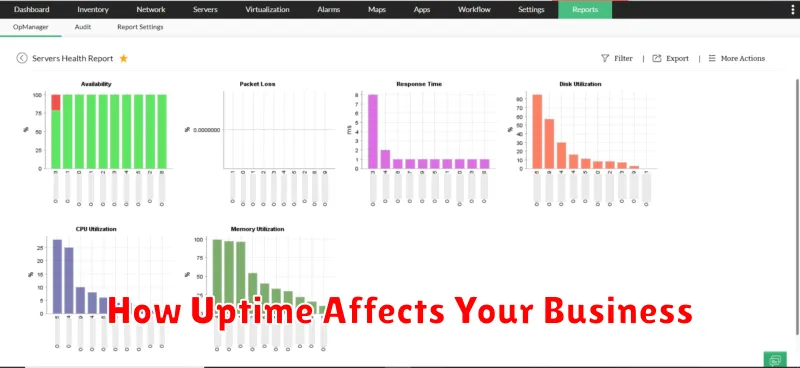
Uptime is a critical factor for any business relying on online services. It directly impacts revenue, customer satisfaction, and brand reputation.
Lost Revenue: Downtime translates to lost sales and productivity. If your website or application is inaccessible, customers cannot make purchases or access your services, resulting in immediate financial losses.
Damaged Reputation: Frequent outages erode customer trust and damage your brand’s image. Customers may perceive your business as unreliable and seek alternatives.
Reduced Productivity: Internal business operations are also affected by downtime. Employees cannot access essential tools and resources, hindering their ability to complete tasks and meet deadlines. This can lead to significant productivity losses.
Monitoring Tools for Uptime
Employing robust monitoring tools is crucial for tracking uptime and ensuring your cloud server’s performance aligns with your Service Level Agreement (SLA). These tools provide real-time insights into server availability and can alert you to potential downtime incidents.
Several monitoring solutions are available, ranging from basic ping tests to more sophisticated systems that offer comprehensive performance metrics. Selecting the right tool depends on your specific needs and budget. Some popular choices include commercial offerings like Pingdom, UptimeRobot, and StatusCake, as well as open-source options.
Choosing Providers with High SLA Guarantees
When selecting a cloud provider, a high Service Level Agreement (SLA) guarantee is crucial for ensuring application availability. Look for providers offering 99.9% uptime or higher. This translates to minimal downtime over a given period. A higher percentage signifies a stronger commitment to service reliability.
Thoroughly review the SLA details. Pay close attention to the definitions of “downtime” and how it’s calculated. Some providers exclude scheduled maintenance from downtime calculations. Understand what constitutes a breach and the associated repercussions, such as service credits.
Compare SLAs across different providers to identify the best fit for your specific needs and risk tolerance. Consider the potential impact of downtime on your business and choose an SLA that aligns with your business continuity objectives.
What Happens When Uptime SLAs Are Broken
When a cloud provider fails to meet their guaranteed uptime, as outlined in their Service Level Agreement (SLA), repercussions typically follow. The most common consequence is financial compensation. This usually takes the form of service credits applied to future bills, effectively offering a refund for the downtime period.
The specific amount of compensation is dictated by the terms of the SLA. Some SLAs may offer tiered compensation based on the severity and duration of the outage. For example, a more extended outage might result in a higher percentage of service credits. Beyond financial remedies, repeated or significant SLA breaches can damage the provider’s reputation and potentially lead to customer churn.
Measuring Your Host’s Real-Time Uptime
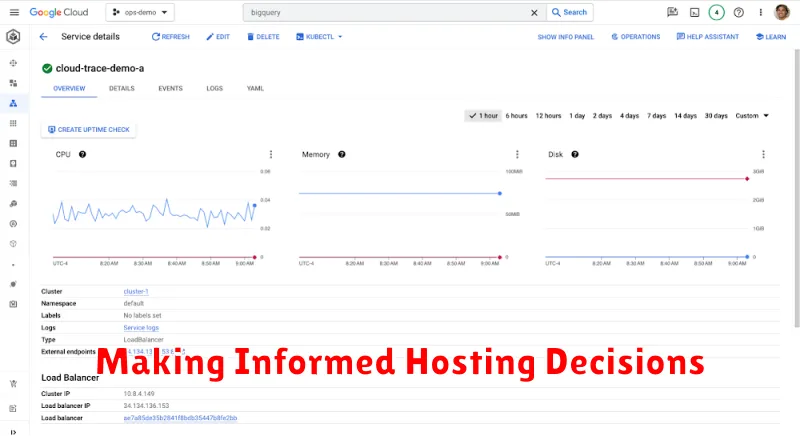
Monitoring your cloud server’s uptime is crucial for ensuring performance. While your provider likely offers tools, independent monitoring provides an objective perspective. Using external uptime monitoring services can provide real-time insights into your server’s availability. These services typically send regular requests to your server from various global locations.
Look for services offering customizable alert thresholds. You should receive notifications if your server becomes unresponsive, allowing for swift action. Monitoring metrics like response time also helps identify potential performance bottlenecks before they escalate into downtime.
Backup Plans for Downtime
While cloud providers strive for high availability, downtime, however minimal, is still a possibility. Preparing backup plans is crucial for business continuity. These plans should encompass various scenarios, from brief outages to extended periods of unavailability.
A primary strategy involves having redundant systems. This could include a secondary cloud server in a different availability zone or even a separate cloud provider altogether. Data backups should be regularly performed and readily available for restoration. Consider failover mechanisms that automatically switch operations to a backup system in case of a primary system failure.
A communication plan is also essential. This plan should outline how to inform customers and stakeholders about the downtime, providing updates and estimated recovery times.
Comparing SLAs Across Providers
Service Level Agreements (SLAs) vary significantly between cloud providers. It’s crucial to compare these SLAs when choosing a provider. Key aspects for comparison include the guaranteed uptime percentage, the definition of downtime, and the consequences of SLA breaches (e.g., service credits).
Most providers offer uptime guarantees around 99.9%, but this can range higher or lower. Pay close attention to the specific services covered. A provider might offer different SLAs for different services, like compute versus storage. Additionally, understand how planned maintenance affects the SLA.
Making Informed Hosting Decisions
Choosing the right hosting provider is crucial for maintaining website availability and performance. Uptime and Service Level Agreements (SLAs) are key factors to consider. An SLA outlines the guaranteed uptime provided by the hosting company, along with the repercussions if they fail to meet that guarantee.
Don’t simply accept the advertised uptime. Thoroughly investigate the provider’s track record and look for independent reviews. Consider factors like the provider’s infrastructure, redundancy measures, and incident response procedures. These elements significantly impact the actual uptime you are likely to experience.
Balancing cost with your uptime needs is essential. While higher uptime guarantees generally come with higher costs, choosing the cheapest option may lead to significant downtime and lost revenue. Prioritize your specific needs and choose a provider that offers a balance of performance, reliability, and cost-effectiveness.
