
The cloud computing landscape is in a state of perpetual evolution, with new trends constantly emerging and reshaping the way businesses operate. Staying ahead of these trends is crucial for organizations looking to leverage the full potential of cloud hosting in the coming years. This article will delve into the key cloud hosting trends to watch in 2025, providing valuable insights for businesses seeking to optimize their cloud strategies. Understanding these emerging trends, from the rise of serverless computing and the growing importance of edge computing to the increasing focus on sustainability and the advancements in artificial intelligence and machine learning, will be essential for navigating the dynamic cloud environment.
In 2025, cloud hosting will become even more integral to business operations, driving innovation and enabling digital transformation. This article explores the most impactful cloud hosting trends, including the continued growth of hybrid cloud and multi-cloud strategies, the increasing adoption of DevOps and cloud-native development practices, and the heightened emphasis on security and data privacy. By understanding these trends, businesses can make informed decisions about their cloud investments, ensuring they are well-positioned to leverage the power of cloud computing for enhanced efficiency, scalability, and competitive advantage.
Serverless Architecture
Serverless architecture continues its rise in popularity, offering a compelling approach to cloud hosting. This model eliminates the need for server management, allowing developers to focus solely on code. Scalability and cost-effectiveness are key drivers of this trend.
By abstracting the underlying infrastructure, serverless computing enables faster deployments and improved resource utilization. This is particularly beneficial for applications with fluctuating workloads, as resources are automatically allocated and deallocated based on demand. This translates to reduced operational overhead and potentially significant cost savings.
AI-Powered Hosting Tools
Artificial intelligence is poised to revolutionize hosting management. AI-powered tools are emerging that can automate complex tasks, predict potential issues, and optimize server performance in real-time.
These tools offer several key advantages, including improved security through anomaly detection, enhanced resource allocation leading to cost savings, and proactive problem-solving minimizing downtime. Expect to see more sophisticated AI integration in hosting platforms, offering predictive scaling, automated security patching, and personalized customer support experiences.
Edge Computing Expansion
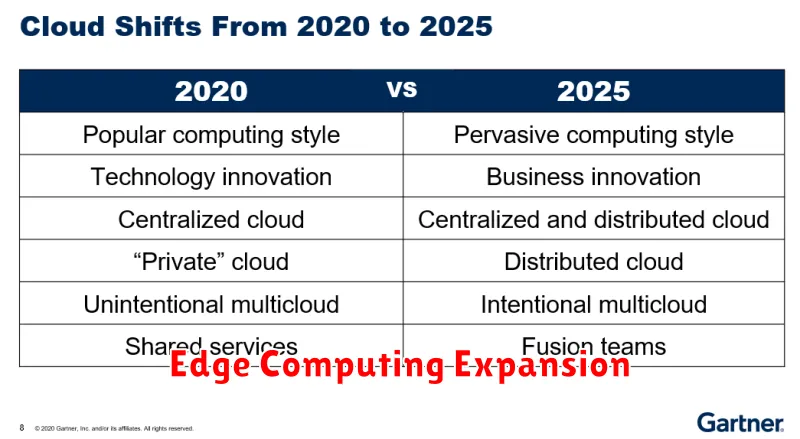
Edge computing is poised for significant growth in 2025. This decentralized computing infrastructure brings processing and data storage closer to the sources of data, reducing latency and improving real-time application performance. This is crucial for emerging technologies such as the Internet of Things (IoT) and artificial intelligence (AI), where vast amounts of data must be processed quickly and efficiently.
Businesses will increasingly leverage edge computing to enhance operational efficiency and enable new, data-driven services. The expansion of 5G networks further fuels this trend by providing the high bandwidth and low latency required for effective edge deployments.
More Sustainable Data Centers
The increasing demand for cloud services necessitates a corresponding growth in data center capacity. However, the environmental impact of these facilities is a growing concern. Sustainability is becoming a key differentiator for cloud providers.
In 2025, expect to see a greater emphasis on energy-efficient data centers. This includes utilizing renewable energy sources like solar and wind power, implementing advanced cooling technologies, and optimizing server utilization for maximum efficiency. Furthermore, innovative approaches to water conservation and waste reduction will become more prevalent.
Green data centers will attract environmentally conscious businesses seeking to minimize their carbon footprint and contribute to a more sustainable future. Providers are likely to highlight their sustainability initiatives as a competitive advantage.
Hybrid and Multi-Cloud Adoption
The adoption of hybrid and multi-cloud strategies is expected to accelerate further in 2025. Organizations are increasingly leveraging the strengths of different cloud providers to avoid vendor lock-in, optimize costs, and enhance resilience.
Hybrid cloud solutions, combining on-premises infrastructure with public cloud services, offer increased flexibility and control. Multi-cloud deployments, utilizing services from multiple public cloud providers, provide greater redundancy and access to specialized services.
Automation and Low-Code Platforms
In 2025, cloud hosting will see increased reliance on automation and low-code platforms. Automation streamlines deployments, scaling, and management, reducing operational overhead and improving efficiency. This allows businesses to focus on core competencies rather than infrastructure management.
Low-code platforms empower users to develop and deploy applications with minimal coding, accelerating development cycles and fostering innovation. These platforms leverage visual interfaces and pre-built modules, enabling faster time-to-market for new products and services within the cloud environment.
Tighter Security and Compliance
In 2025, cloud security and compliance will take center stage. With increasing cyber threats and stringent data privacy regulations, organizations will prioritize robust security measures.
This includes implementing zero-trust security models, enhancing data encryption both in transit and at rest, and leveraging advanced threat detection and prevention technologies.
Furthermore, adhering to industry-specific compliance standards like GDPR, HIPAA, and PCI DSS will be crucial for maintaining customer trust and avoiding penalties.
Increased Demand for Resilience
In 2025, the demand for resilient cloud hosting solutions will be paramount. Businesses are increasingly recognizing the criticality of uninterrupted operations and data availability.
Downtime, regardless of the cause, translates to significant financial losses, reputational damage, and potential legal liabilities. This drives the need for cloud hosting providers to offer robust solutions incorporating disaster recovery, failover mechanisms, and geo-redundancy.
Clients will expect guaranteed uptime and rapid recovery capabilities to mitigate the impact of unforeseen events, from natural disasters to cyberattacks. This trend emphasizes the shift from basic availability to a proactive and comprehensive approach to resilience.
Developer-Focused Cloud Services
In 2025, expect a surge in cloud services specifically designed to empower developers. These platforms prioritize streamlined workflows and automation, enabling faster development cycles. Serverless computing, containerization, and low-code/no-code platforms will be central to this trend.
These services abstract away infrastructure management, allowing developers to focus on core coding tasks. Expect increased integration of DevOps tools and AI-powered development assistance for further efficiency gains.
Enhanced Monitoring & Insights
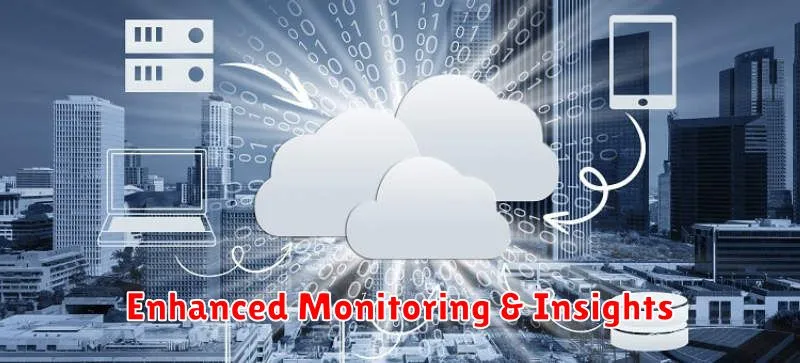
In 2025, cloud hosting will see a surge in advanced monitoring capabilities. This includes real-time insights into resource utilization, performance bottlenecks, and security vulnerabilities.
AI-powered analytics will play a crucial role in predicting potential issues and automating responses. This proactive approach will minimize downtime and optimize resource allocation, leading to cost savings and improved operational efficiency.
Expect to see more sophisticated dashboards offering granular visibility into cloud environments. These tools will empower administrators to make data-driven decisions and ensure optimal performance.
