
In today’s interconnected digital landscape, cloud hosting security is paramount. Organizations of all sizes rely on cloud services to store sensitive data, run critical applications, and connect with customers worldwide. However, this reliance comes with inherent risks. Understanding how to secure your cloud hosting environment is no longer a luxury, but a necessity. This article will provide a comprehensive guide to implementing robust security measures to protect your valuable assets in the cloud, covering topics ranging from access control and data encryption to threat detection and incident response. By learning and applying these strategies, you can significantly mitigate the risks associated with cloud hosting and ensure the confidentiality, integrity, and availability of your data and systems.
Securing your cloud hosting environment involves a multi-faceted approach that addresses various potential vulnerabilities. From managing user access and implementing strong passwords to protecting against malware and DDoS attacks, a proactive security posture is essential. This article will delve into the best practices for cloud security, providing actionable steps to strengthen your defenses and safeguard your cloud-based operations. By mastering these techniques, you can create a more secure and resilient cloud environment, minimizing the risk of data breaches, service disruptions, and other security incidents. Whether you are new to cloud hosting or a seasoned professional, this guide will equip you with the knowledge and tools to effectively secure your cloud hosting environment.
Understanding Cloud Vulnerabilities
Cloud vulnerabilities represent weaknesses in cloud security that can be exploited by malicious actors. Understanding these vulnerabilities is crucial to building a robust security posture.
Key vulnerabilities include misconfigurations, such as improperly configured access controls or insecure storage buckets. Data breaches are a major concern, often resulting from exploiting these weaknesses. Another significant vulnerability is lack of visibility into cloud activity, hindering timely threat detection. Insecure APIs can also be a gateway for attackers.
Furthermore, insider threats pose a significant risk, where individuals with authorized access misuse privileges. Finally, denial-of-service (DoS) attacks can disrupt service availability, impacting business operations.
Importance of Access Control
Access control is a critical security component in any cloud hosting environment. It governs who can access your resources, what actions they can perform, and when they can access them. By implementing robust access controls, you significantly reduce the risk of unauthorized access and data breaches. This protection extends to both external threats and potential internal misuse.
Proper access control ensures the confidentiality, integrity, and availability of your data. It limits the potential damage from compromised credentials by restricting access based on the principle of least privilege. This means users only have the necessary permissions to perform their specific tasks, minimizing the impact of any security breach.
Using Strong Password Policies
Implementing strong password policies is crucial for securing your cloud hosting environment. These policies enforce the creation of complex and difficult-to-guess passwords, reducing the risk of unauthorized access.
Key elements of a robust password policy include:
- Minimum Length: Enforce a minimum password length, such as 12 characters.
- Character Complexity: Require a mix of uppercase and lowercase letters, numbers, and symbols.
- Password History: Prevent users from reusing previously used passwords.
- Account Lockout: Implement account lockouts after a certain number of failed login attempts.
By enforcing these rules, you significantly strengthen your first line of defense against unauthorized access to your cloud environment.
Implementing Firewalls and Network Protection
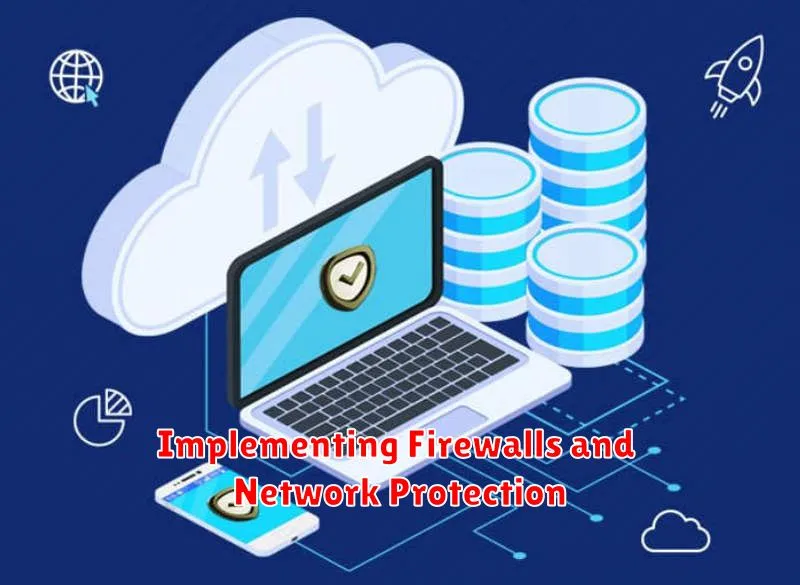
Firewalls are essential for controlling network traffic and preventing unauthorized access. Configure firewalls at both the network perimeter and instance level to filter incoming and outgoing connections. Define strict rules based on ports, protocols, and source/destination IP addresses to minimize attack surface.
Implement intrusion detection/prevention systems (IDS/IPS) to monitor network traffic for malicious activity and automatically block or alert on suspicious patterns. Consider utilizing virtual private networks (VPNs) to secure communication between your on-premises infrastructure and your cloud environment. Regularly review and update your firewall rules and IDS/IPS signatures to address emerging threats.
Encrypting Data in Transit and at Rest
Data encryption is a crucial aspect of cloud security. It involves converting data into an unreadable format, protecting it from unauthorized access. We need to consider both data in transit and data at rest.
Data in transit refers to data moving between locations, such as between your computer and the cloud server. Encrypting data in transit typically uses protocols like TLS/SSL, preventing eavesdropping and man-in-the-middle attacks.
Data at rest is data stored on physical media, like hard drives in the cloud. Encrypting data at rest protects against unauthorized access even if physical hardware is compromised. Methods include full-disk encryption and database encryption.
Monitoring Logs and Activity Alerts
Real-time monitoring of your cloud hosting environment is crucial for maintaining security. Regularly review server logs, including system logs, application logs, and security logs. These logs provide valuable insights into system activity, potential vulnerabilities, and unauthorized access attempts.
Set up activity alerts to be notified immediately of suspicious events. Configure alerts for failed login attempts, unusual traffic patterns, and changes to critical files. Prompt alerts allow you to respond quickly to potential threats and minimize damage.
Regular Software and Patch Updates
Maintaining a secure cloud hosting environment requires diligence in keeping all software and systems up-to-date. Regular updates are crucial for patching known vulnerabilities and protecting against emerging threats. Failing to apply patches promptly leaves your system susceptible to exploitation.
Establish a consistent update schedule for your operating systems, applications, and any other software components within your cloud environment. Automated patching tools can streamline this process and ensure timely updates.
Prior to deploying updates in a production environment, thorough testing in a staging environment is recommended to prevent unforeseen compatibility issues.
Role-Based Access and Permissions
Role-Based Access Control (RBAC) is crucial for cloud security. It allows you to define specific permissions for different roles within your organization. This granular control limits access to sensitive data and resources, minimizing the potential damage from compromised accounts. Instead of granting universal access, each user is assigned a role with predetermined permissions, ensuring they only access what is necessary for their job function.
Implementing RBAC involves identifying key roles, defining the permissions for each role, and assigning users to those roles. Regularly reviewing and updating these roles and permissions is essential to maintain a secure environment as your organization evolves and needs change.
Choosing a Security-Conscious Cloud Provider
Selecting the right cloud provider is a critical first step in securing your cloud environment. A provider with a robust security posture will significantly reduce your burden. Look for providers that prioritize security throughout their operations.
Key factors to consider include compliance certifications (e.g., ISO 27001, SOC 2), their data center security measures, and their incident response capabilities. Transparency is also essential. A provider should openly communicate their security practices and incident history.
Evaluate the provider’s security features, such as data encryption, access control mechanisms, and vulnerability management programs. Ensure these features align with your specific security requirements and industry regulations.
Compliance with Industry Standards
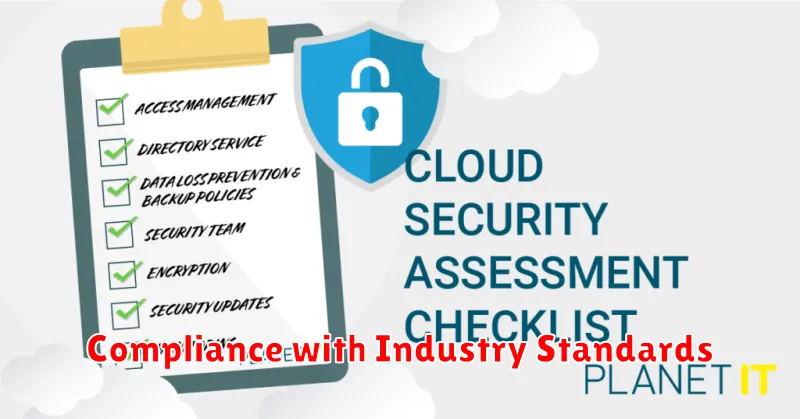
Adhering to recognized industry standards is crucial for maintaining a secure cloud hosting environment. These standards provide frameworks and best practices that help mitigate risks and vulnerabilities.
Key standards to consider include the Payment Card Industry Data Security Standard (PCI DSS) for handling sensitive payment information, the Health Insurance Portability and Accountability Act (HIPAA) for protected health information, and the General Data Protection Regulation (GDPR) for personal data privacy. Compliance with these standards often involves implementing specific security controls and undergoing regular audits.
By prioritizing compliance, organizations demonstrate their commitment to data security and build trust with their customers.
