
Understanding the Shared Responsibility Model is crucial for anyone utilizing cloud hosting services. This model defines the division of security responsibilities between the cloud provider (such as AWS, Azure, or Google Cloud) and the customer. Clearly delineating these responsibilities helps ensure a secure and compliant cloud environment. By understanding who is responsible for what, organizations can effectively manage risk, optimize security investments, and maintain control over their data and applications in the cloud. This introduction will explore the core tenets of the Shared Responsibility Model and explain why its comprehension is paramount for successful cloud hosting.
The Shared Responsibility Model in cloud hosting varies depending on the service model chosen. Whether it’s Infrastructure as a Service (IaaS), Platform as a Service (PaaS), or Software as a Service (SaaS), the division of responsibilities shifts. Therefore, it is essential to recognize the nuances of each service model and how they influence the shared security obligations between the cloud provider and the customer. This understanding empowers organizations to adopt the appropriate security measures and maintain a robust security posture within their chosen cloud hosting environment.
What Is the Shared Responsibility Model?
The shared responsibility model defines the division of security responsibilities between the cloud provider and the customer. It clarifies who is responsible for managing which aspects of security within a cloud environment.
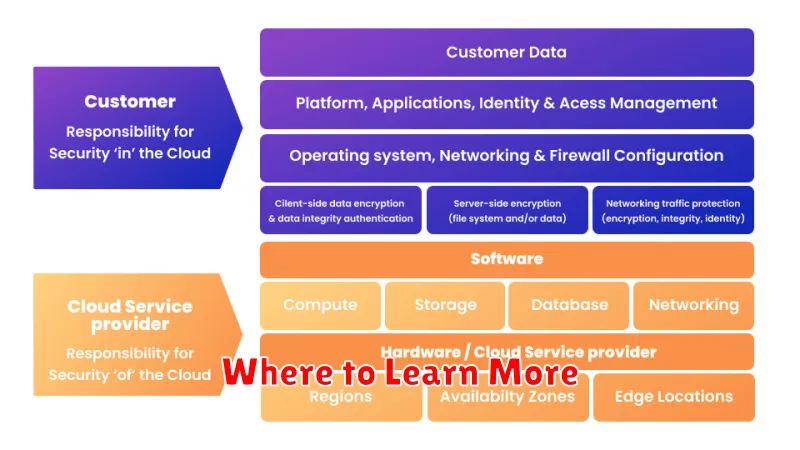
This delineation varies depending on the service model chosen. Generally, the provider is responsible for the security of the cloud, meaning the underlying infrastructure, while the customer is responsible for security in the cloud, encompassing the data, applications, and operating systems they deploy.
Understanding this shared responsibility is crucial for organizations leveraging cloud services to ensure comprehensive security posture and compliance.
Cloud Provider’s Responsibilities
The cloud provider is responsible for the underlying infrastructure that supports the cloud services. This includes the physical hardware (servers, networking equipment, and storage), as well as the software that runs on this hardware (the hypervisor, operating system, and any other foundational software).
They are also responsible for the security of this infrastructure. This includes physical security of data centers, as well as securing the software and hardware against vulnerabilities. Furthermore, the provider ensures the availability of the cloud services, typically through service level agreements (SLAs).
User Responsibilities for Security
While the cloud provider manages the security of the cloud, the user is responsible for security in the cloud. This includes the security of your data, applications, and operating systems.
Key user responsibilities typically include:
- Data: Encrypting data at rest and in transit.
- Applications: Securely configuring and patching applications.
- Operating Systems: Maintaining up-to-date operating systems and applying necessary security patches.
- Identity and Access Management (IAM): Managing user access and permissions.
Examples in Public Cloud Hosting
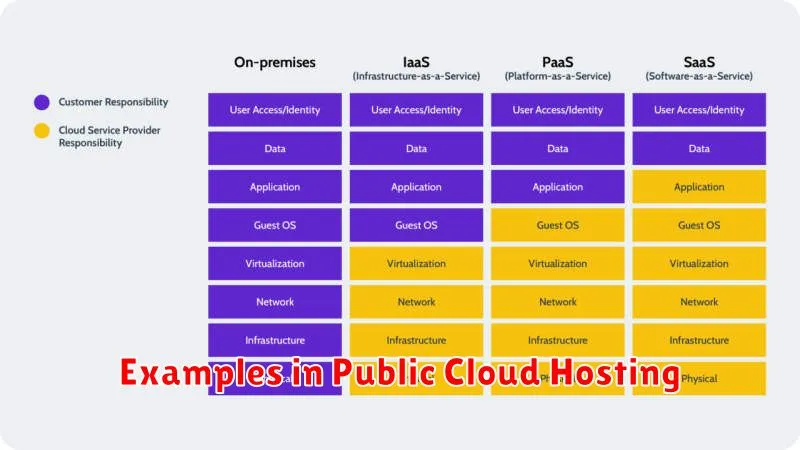
In a public cloud environment, understanding the shared responsibility model is crucial. Let’s illustrate with practical examples.
Example 1: Virtual Machine Security
The cloud provider is responsible for securing the underlying infrastructure, including the physical servers and network. The customer, however, is responsible for securing the virtual machine itself, including operating system patching, firewall configuration, and data encryption.
Example 2: Data Storage
The provider ensures the availability and durability of the storage platform. The customer is responsible for managing and protecting their data, including access controls, encryption, and backups. Data loss or corruption due to inadequate customer configuration falls under the customer’s responsibility.
Importance of Role Management
Role management is crucial for implementing a successful shared responsibility model in cloud hosting. It provides granular control over access to resources, ensuring that users only have the permissions necessary to perform their designated tasks.
This mitigates risks associated with unauthorized access and data breaches. By defining roles and assigning them appropriately, organizations can enforce least privilege access, limiting the potential impact of security incidents.
Effective role management also simplifies administration. It allows administrators to easily manage permissions for groups of users, rather than managing individual accounts. This streamlines the onboarding process and ensures consistent application of security policies.
Common Misunderstandings
A frequent misconception surrounding the Shared Responsibility Model is that cloud providers are wholly responsible for security. In reality, responsibility is shared. The cloud provider manages security of the cloud, encompassing the underlying infrastructure like hardware and hypervisors. Customers are responsible for security in the cloud, meaning the data, applications, and operating systems they deploy.
Another common misunderstanding is the belief that using a managed service absolves the customer of all security responsibilities. While managed services handle some aspects of security, customers retain responsibility for configurations, access controls, and data protection within those services.
Backup and Disaster Recovery
In the shared responsibility model, backup and disaster recovery is a shared burden. The cloud provider is responsible for the underlying infrastructure, ensuring the availability and durability of the physical resources like servers and storage. This includes protecting against hardware failures and environmental disasters.
However, the customer retains responsibility for their data and applications. This means implementing appropriate backup and recovery procedures for their data and applications residing within the cloud environment. Choosing the right backup frequency, recovery point objective (RPO), and recovery time objective (RTO) aligns with the customer’s specific business needs.
Maintaining Regulatory Compliance
Maintaining regulatory compliance in a shared responsibility model requires a clear understanding of which responsibilities fall on the cloud provider and which fall on the customer. Compliance is a shared effort.
The cloud provider is typically responsible for the physical infrastructure, including the security of the data centers and underlying hardware. This covers aspects like physical access controls, environmental controls, and network security.
The customer retains responsibility for securing their data and applications residing within the cloud environment. This includes configuring access controls, managing user permissions, and ensuring the security of their operating systems and software.
Specific compliance requirements will vary based on industry regulations and the type of data being handled. Examples include HIPAA, PCI DSS, and GDPR. It is crucial for both the provider and the customer to understand these requirements and work together to meet them.
Best Practices for Users
Users play a crucial role in maintaining security in a shared responsibility model. Data security, access management, and application security are key areas users must focus on.
Strong passwords and multi-factor authentication are fundamental for secure access. Regularly reviewing and updating access permissions minimizes risks. Keeping applications and operating systems patched and updated is also crucial.
Understanding the specifics of your cloud provider’s shared responsibility model and adhering to their guidelines is paramount for a secure cloud environment.
Where to Learn More
Understanding the nuances of the Shared Responsibility Model is crucial for a secure and compliant cloud environment. Further exploration of this topic can provide valuable insights for cloud customers.
Cloud Provider Documentation: Each cloud provider (AWS, Azure, GCP, etc.) maintains extensive documentation outlining their specific responsibilities and the customer’s responsibilities. Consulting these resources is paramount for practical application.
Industry Best Practices: Organizations like the Cloud Security Alliance (CSA) offer valuable guidance and best practices for cloud security, including shared responsibility models.
